Construction Dumpster Rental Guide for Every Project
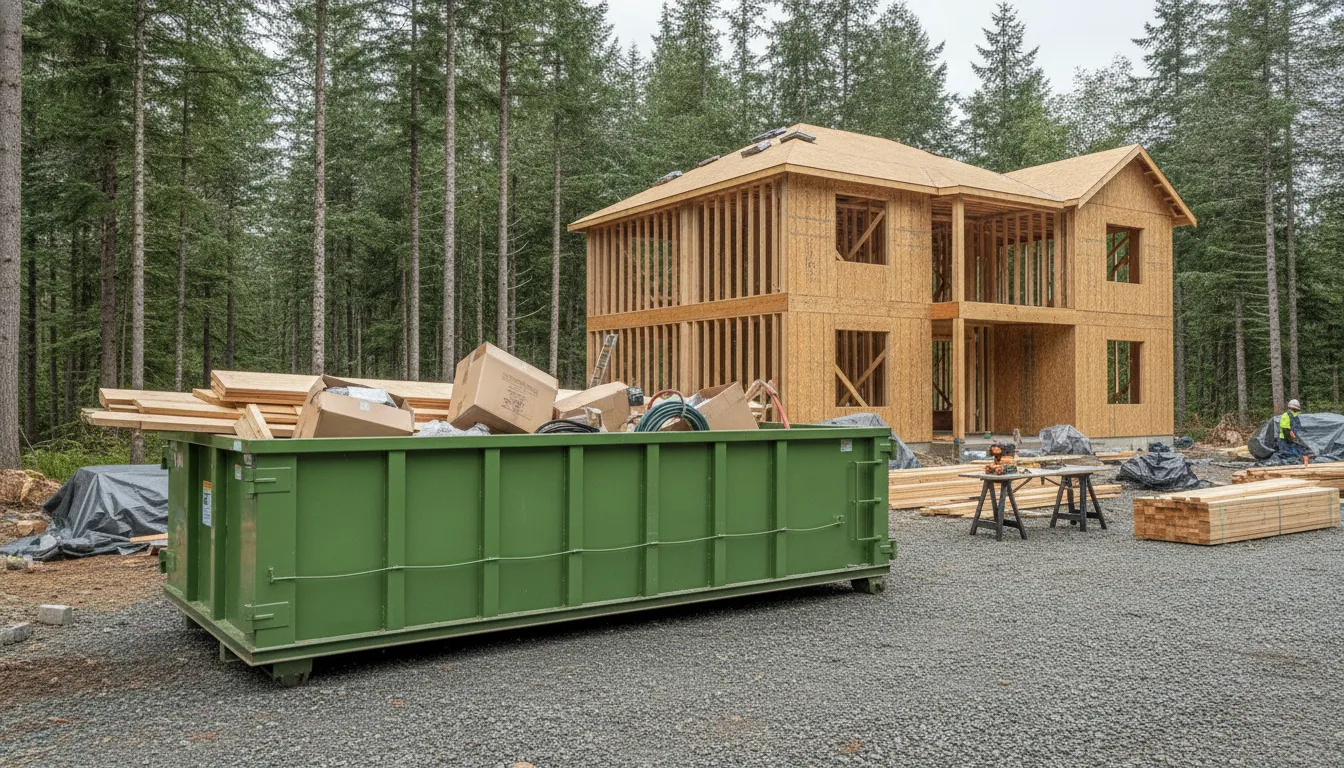
Planning a renovation, construction, roofing, or cleanout project in King County or Pierce County? The right construction dumpster rental keeps debris contained, gives your crew a clear work area, and removes the need to make repeated trips to a disposal site. Get Gawn helps residential and commercial customers match the project to a 7-yard Rock & Dirt Box, 15-yard dumpster, or 22-yard dumpster, with doorstep delivery and transparent, weight-based pricing.
Ready to plan your project? Compare Get Gawn dumpster options and book online, or call (425) 620-6513 for an instant quote.
This guide is a practical starting point. It explains which container fits common project types, how material weight changes the decision, how to prepare the delivery area, and how to load safely. It is not a substitute for confirming unusual materials or access conditions with Get Gawn before booking. For a full size-by-size comparison, see the Get Gawn dumpster sizing guide.
Start with the project, not the dumpster size
The best construction dumpster rental starts with four questions: What are you removing? How much space will it take? How heavy is it? Where can the container sit? A small quantity of dense concrete can need a different container than a much larger pile of lightweight wood. Separating those decisions prevents a common mistake: choosing by visual pile size alone.
Make a quick inventory before you request a quote. List the rooms, structures, or outdoor areas involved, then group the materials by type. For example, a kitchen renovation may include cabinets, flooring, drywall, packaging, and appliances. A yard project may include sod, dirt, rock, or branches. A commercial cleanout may include fixtures, furniture, shelving, and general non-hazardous debris. This inventory gives Get Gawn the detail needed to discuss the right option.
- Material: Identify heavy materials such as concrete, dirt, rock, brick, sand, or sod separately from standard debris.
- Volume: Estimate the number of pickup-truck loads, rooms, structures, or work areas being cleared.
- Weight: Dense debris can reach a limit before the container appears full, so never treat cubic yards as the only measurement.
- Placement: Check that the delivery area has enough length, width, overhead clearance, and truck access.
- Timing: Match the delivery to the main demolition, tear-out, or cleanout phase and plan around the standard rental period.
Get Gawn serves residential and commercial projects throughout King County and Pierce County. If the address, surface, access route, or materials are unusual, share those details when booking rather than relying on a generic size chart.
Which Get Gawn dumpster fits your project?
Get Gawn offers three container options. The 7-yard Rock & Dirt Box is designed for dedicated heavy-material loads and has low sidewalls for easier wheelbarrow loading. The 15-yard dumpster is a general-purpose option for many remodels, cleanouts, and smaller construction jobs. The 22-yard dumpster provides more room for larger renovations, construction sites, and property cleanouts. All three options have a 5-ton maximum and include up to 4 days of rental time.
| Get Gawn option | Best fit | Key planning detail |
|---|---|---|
| 7-yard Rock & Dirt Box | Concrete, dirt, rock, brick, sand, sod, and other heavy-material projects | Low sidewalls support wheelbarrow loading; keep the load dedicated |
| 15-yard dumpster | Bathroom or kitchen remodels, garage cleanouts, small construction projects, and general non-hazardous debris | Compact general-purpose choice for moderate project volume |
| 22-yard dumpster | Large remodels, major cleanouts, construction debris, and higher-volume general non-hazardous debris | More room for larger project phases and property cleanouts |
The descriptions above are starting points, not permission to mix every material together. The 7-yard Rock & Dirt Box is intended for dedicated heavy-material loads. Concrete, dirt, rock, brick, sand, or sod should be kept free of trash, wood, drywall, fixtures, and household debris. The 15-yard and 22-yard dumpsters are for general non-hazardous debris, not hazardous waste.
For dimensions, capacity comparisons, and a decision framework that focuses specifically on size, review What Size Dumpster Do I Need?. For the heavy-material option itself, see Get Gawn's 7-yard Rock & Dirt Box page.
Renovation dumpster rental: bathroom, kitchen, and interior remodels
A renovation dumpster rental is usually chosen by the mix of materials and the amount of demolition, not just the number of rooms. A focused bathroom remodel often produces tile, cabinets, drywall, flooring, packaging, and fixtures. A kitchen remodel may add larger cabinets, countertops, appliances, and more bulky material. A whole-flooring replacement or multi-room renovation can move quickly from a compact project to a high-volume load.
For many bathroom remodels, kitchen remodels, garage renovations, and smaller interior projects, the 15-yard dumpster is a practical starting point when the load is general, non-hazardous debris. It offers more room than a small pickup-based disposal plan while keeping a relatively compact footprint. If the renovation covers multiple rooms, includes substantial cabinets and flooring, or is part of a larger addition, discuss whether the 22-yard dumpster better matches the volume.
Do not use the 7-yard Rock & Dirt Box as a general mixed-remodel container. It is a heavy-material solution. If you are removing a concrete patio, masonry, brick, or a dedicated dirt load as part of the renovation, separate that stream and ask Get Gawn whether the Rock & Dirt Box is appropriate. Keeping heavy materials separate can make loading safer and pricing easier to understand.
Before delivery, decide where demolition will happen and how far workers will carry debris. A container placed too far from the work area creates extra labor and encourages unsafe piles. A container placed too close to a gate, garage, or active traffic route can interfere with the project. Give Get Gawn placement instructions at booking, including any narrow approach, slope, low branches, or surface concerns.
Construction dumpster rental for contractors and job sites
A construction dumpster rental works best when the job site has a clear debris plan. General construction waste can include lumber, drywall, flooring, packaging, fixtures, and other non-hazardous material. The 15-yard dumpster can fit smaller construction work and limited tear-outs. The 22-yard dumpster is better suited to larger volumes, longer demolition phases, and construction sites that need more space before pickup.
Contractors can reduce delays by assigning one person to manage the container area. That person can keep the load level, watch for prohibited material, and prevent subcontractors from placing heavy debris into the wrong container. A simple sign or toolbox-talk reminder can help separate clean heavy material from mixed construction debris, although the material rules should always be confirmed with Get Gawn first.
For a job with concrete, brick, rock, dirt, sand, or sod, plan the load before the truck arrives. The 7-yard Rock & Dirt Box is designed for these heavy materials, but the dedicated load must remain free of trash and other mixed debris. If the job includes both masonry demolition and general construction waste, identify those as separate streams. Combining them without confirmation can change the handling and weight calculation.
Roofing work deserves the same planning discipline. Roofing debris can be bulky, dense, and difficult to estimate by eye. A roofing contractor should separate old material from other job-site debris when possible and confirm the appropriate 15-yard or 22-yard option based on roof size, tear-off method, and expected volume. Do not assume a container is suitable for every roofing material, and do not load above the rim.
Need to coordinate a construction delivery? Contact Get Gawn with the project address, material list, estimated volume, and preferred delivery date.
How should you plan new construction and larger renovations?
New construction and major additions create debris in waves. Packaging and framing waste may arrive first, followed by drywall, flooring, cabinets, fixtures, and final cleanup. A single container can work for a short phase, but the right plan depends on how much debris will be generated at one time and whether the site can safely hold the container during active work.
The 22-yard dumpster is the largest option in Get Gawn's lineup and is a logical starting point for higher-volume general non-hazardous debris. It can support a major renovation, substantial construction phase, or large property cleanup without the tighter fill window of a 15-yard container. Even with the larger container, keep all loads level and account for the 5-ton maximum. More cubic-yard capacity does not remove the weight limit.
For builders, schedule the delivery around the first major cleanup rather than bringing an empty container to a site with no immediate need. Confirm whether the truck can reach the planned placement area after materials, equipment, fencing, and vehicles are on site. Construction sites change quickly. Recheck the approach before delivery if the project has been active for several days.
Use the standard 4-day rental period as a planning anchor. If the project phase will run longer, ask about an extension before the period ends. A clear pickup or extension plan reduces the chance that a full container remains in the way when the next trade begins.
Cleanouts, estate projects, and property turnover
Cleanout debris is often more varied than renovation debris. A garage, estate, foreclosure, move-out, or property turnover may include furniture, boxes, household items, shelving, yard waste, and light construction material. Start by separating bulky items from dense material and identify anything that may be restricted before it reaches the container.
The 15-yard dumpster is often a good fit for a focused garage cleanout, smaller property cleanout, or moderate household project. The 22-yard dumpster is better for a large estate cleanout, whole-property turnover, major move-out, or several rooms with bulky contents. The best option depends on how much material can be broken down and how efficiently the container will be loaded.
Break down furniture and boxes where practical to reduce air gaps. Load flat pieces along the sides, place smaller items into open spaces, and keep the top clear. Do not stack materials above the rim or allow boards, metal, or other objects to protrude. If a cleanout includes a renovation area with concrete, dirt, or brick, keep that heavy material separate instead of treating it as ordinary household debris.
Get Gawn's 15-yard dumpster is intended for general-purpose projects such as garage cleanouts, smaller remodels, and household junk. The 22-yard dumpster provides additional room for large cleanouts and higher-volume projects. Neither general-purpose option should be used for hazardous waste.
A pre-booking checklist for homeowners and contractors
Before selecting a construction dumpster rental, turn the project description into a short delivery brief. This makes the online order or phone conversation more precise and gives the driver useful information. It also exposes a mismatch early, before the container arrives at a site that is not ready.
- Define the work phase. Decide whether the container is for demolition, a renovation tear-out, framing cleanup, roofing, landscaping, a move-out, or a final cleanout. One container can support several phases, but the active phase should guide the first booking.
- List the largest items. Note cabinets, furniture, appliances, long boards, branches, concrete pieces, masonry, and other items that will occupy unusual space. Bulky objects often determine volume even when they are not especially heavy.
- Separate dense debris. Keep concrete, dirt, rock, brick, sand, and sod in their own group. If the list contains both heavy and general debris, ask whether separate loading or a different container is needed.
- Measure the destination. Check the length and width of the placement area, truck approach, gate opening, overhead clearance, and distance from the work area. A container that fits the project may not fit the delivery path.
- Set the schedule. Choose a delivery date close to the main loading period and note when the four-day rental window will end. If the work slips, contact Get Gawn before pickup rather than waiting until the container is full.
This checklist is especially helpful for contractors coordinating multiple trades. Save the material list in the job file, communicate the load rules at the start of the day, and review the container before each crew begins loading. For a homeowner, the same process turns an uncertain pile into a practical discussion about container size, placement, and timing.
How material type changes the dumpster decision
Material type affects safety, capacity, and final disposal charges. Two containers that look equally full can have very different weights. Treat material separation as part of project planning, not as a last-minute sorting task after delivery.
| Material or project stream | Planning direction | Important caution |
|---|---|---|
| Concrete, brick, rock, dirt, sand, or sod | Ask about the 7-yard Rock & Dirt Box | Keep the load dedicated and free of trash, wood, drywall, fixtures, and mixed household debris |
| Wood, drywall, flooring, cabinets, fixtures, packaging, or general remodel debris | Consider the 15-yard or 22-yard dumpster based on volume | These options are for general non-hazardous debris and remain subject to the 5-ton maximum |
| Furniture, boxes, household items, and cleanout debris | Consider the 15-yard for a focused cleanout or 22-yard for a larger property project | Break down bulky items where possible and keep the load level |
| Mixed or uncertain material | Describe the material list before booking | Do not assume that an item is accepted because it fits physically |
Get Gawn uses transparent, weight-based pricing, with final disposal charges based on the material and landfill weigh-in after pickup. The 7-yard option has separate handling guidance for certain heavy materials. Review the current product information and confirm the load details before booking. The purpose of a quote is to make the material and weight assumptions clear before delivery.
How do you prepare the site for doorstep delivery?
A successful construction dumpster rental requires more than choosing a container. The delivery area must be accessible to the roll-off truck, clear of vehicles and loose objects, and large enough for the selected container. Get Gawn's general site guidance calls for an area at least 15 feet long by 10 feet wide, but the selected container and access route may require more room.
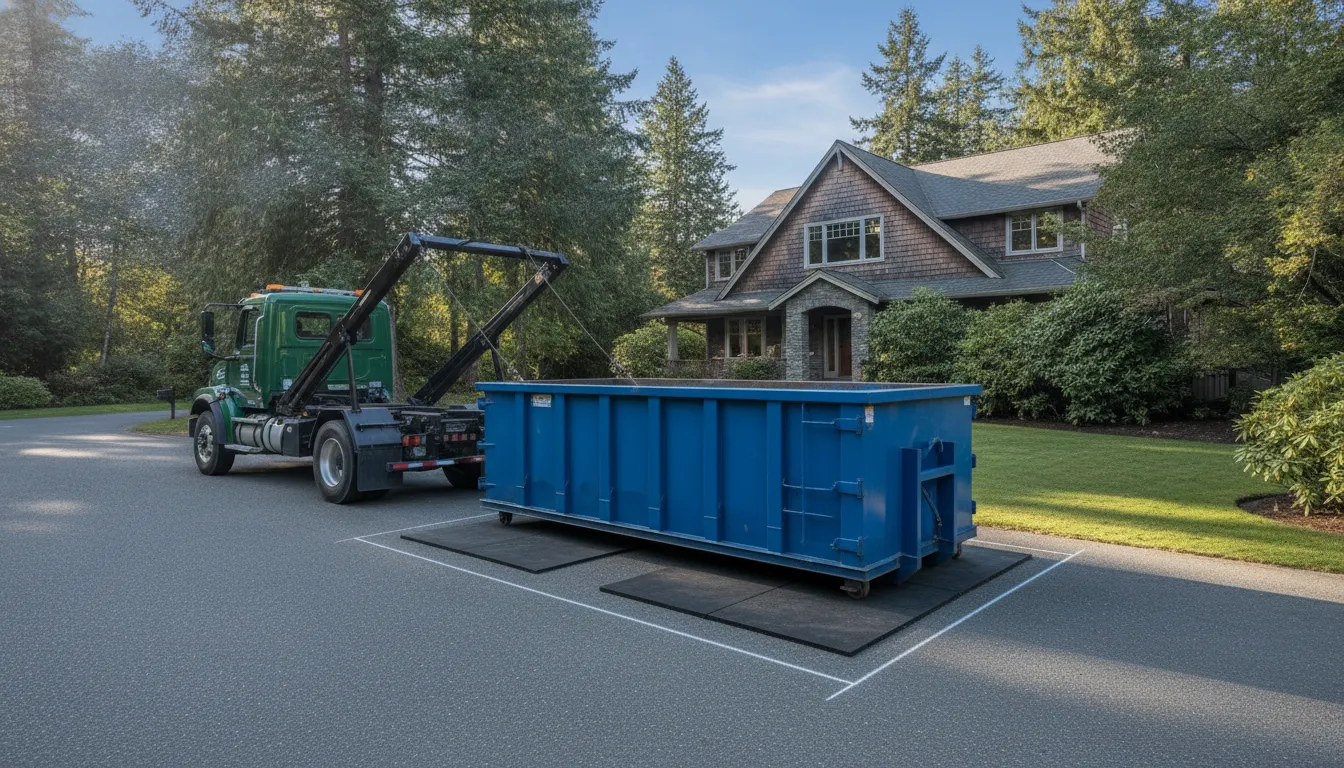
Choose a firm, usable surface and protect the approach from preventable obstacles. Get Gawn can deliver to pavement, concrete, dirt, or grass, with protective boards used during delivery. Driveway protection is also available as a RolliSkate pad add-on for all three container sizes. If protecting a driveway is important to the project, request that option when booking rather than after the container arrives.
- Move cars, trailers, tools, branches, and loose materials out of the delivery path.
- Measure the planned placement area and check for overhead branches, wires, roof edges, and other clearance concerns.
- Tell Get Gawn about gates, slopes, narrow drives, soft ground, or special placement instructions.
- Keep the container away from active traffic, entrances, utility access, and emergency routes.
- Ask the relevant local authority about any approval needed if a container will be placed on a public street or other non-private area.
Customer presence is not required for every delivery, but the site must be ready and instructions must be provided in advance. The driver may text or call when en route. Delivery timing can vary because of traffic and landfill conditions, so schedule with a practical window rather than building the entire workday around an exact arrival minute.
Review the Get Gawn service area and provide the full project address before checkout. If you are unsure whether the address is covered or the placement is workable, call before ordering.
How should you load the dumpster safely?
Safe loading protects workers, the driver, and the property. Keep the debris inside the container walls and below the top edge. An overfilled or protruding load can create a pickup problem, add handling risk, or delay the project. The 5-ton maximum applies to every Get Gawn dumpster, so do not use the visible fill level as a substitute for weight planning.
- Keep heavy material low. Place dense material carefully and avoid dropping heavy objects from unnecessary heights.
- Distribute weight. Do not concentrate all the heavy material at one end or against one sidewall.
- Flatten bulky items. Break down boxes, cabinets, furniture, and long pieces where safe and practical.
- Keep prohibited or uncertain items out. Ask Get Gawn before loading anything that may need special handling.
- Finish with a level load. Stop before the debris reaches the rim and remove anything that sticks out.
Never place hazardous waste in a general-purpose dumpster. Examples of materials that require a conversation before disposal can include chemicals, fuels, paints, asbestos-containing material, medical waste, and other regulated or dangerous items. This guide does not provide an acceptance list for every item. If you are uncertain, set it aside and confirm it with Get Gawn before the delivery or loading begins.
Understand the rental period and booking process
Get Gawn's standard rental period is up to 4 days for the 7-yard, 15-yard, and 22-yard dumpsters. Use those four days intentionally: schedule delivery near the main tear-out or cleanout phase, keep a loading plan ready, and ask about an extension if the work will continue.
Before booking, gather the information that will make the conversation efficient:
- Project address and whether the work is in King County or Pierce County
- Project type, such as bathroom remodel, construction phase, roof tear-off, yard work, or estate cleanout
- Material list, including any concrete, dirt, rock, brick, sand, or sod
- Estimated volume in rooms, pickup loads, structures, or cubic yards
- Preferred placement area, surface, access route, and driveway-protection request
- Desired delivery date and the date when pickup or an extension decision will be needed
Get Gawn provides online booking through the dumpster category and product pages. Customers who need help with material, placement, or timing can call (425) 620-6513. The company offers doorstep delivery and pickup, transparent weight-based pricing, and a local service model for residential and commercial customers.
Have the project details ready? Choose your Get Gawn dumpster and schedule delivery, or contact the team before placing an order if the material or access is unusual.
Frequently asked questions
What is the best dumpster for a construction project?
The best choice depends on material, volume, and weight. A 15-yard dumpster can fit smaller construction projects and general non-hazardous debris. A 22-yard dumpster offers more room for larger construction phases. Concrete, dirt, rock, brick, sand, or sod may be better suited to the dedicated 7-yard Rock & Dirt Box when loaded separately. Confirm the project details with Get Gawn before booking.
What size dumpster do I need for a home renovation?
A 15-yard dumpster is a practical starting point for many focused bathroom, kitchen, garage, or interior renovation projects with general non-hazardous debris. A larger multi-room remodel or major addition may need the 22-yard dumpster. Heavy material such as concrete or dirt should be evaluated separately for the 7-yard Rock & Dirt Box.
Can I put concrete and dirt in a regular dumpster?
Do not assume that heavy material belongs in a general-purpose container. Get Gawn's 7-yard Rock & Dirt Box is designed for concrete, dirt, rock, brick, sand, and sod, with dedicated-load rules. Keep heavy material free of trash and mixed debris, and confirm the load details before booking.
How long can I rent a Get Gawn dumpster?
Get Gawn includes up to 4 days of rental time for its 7-yard, 15-yard, and 22-yard dumpsters. If the project will take longer, ask about extending the rental before the included period ends.
Can a dumpster go on a driveway or grass?
Get Gawn can deliver to pavement, concrete, dirt, or grass when the site and access are suitable. Protective boards are used during delivery, and RolliSkate driveway-protection pads are available as an add-on. Clear the delivery path and share surface, access, and placement details before scheduling.
What should I do if I am unsure whether an item is allowed?
Set the item aside and ask Get Gawn before loading it. The 15-yard and 22-yard dumpsters are for general non-hazardous debris, while hazardous or regulated materials may require different handling. Physical fit does not mean an item is accepted.
Choose the container that matches the work
A construction dumpster rental should make a project simpler, not create a second logistics problem. Start with the material list, estimate the volume, account for the 5-ton maximum, and prepare a safe placement area. Choose the 7-yard Rock & Dirt Box for suitable dedicated heavy-material loads, the 15-yard dumpster for many moderate renovation and cleanout projects, or the 22-yard dumpster when a larger general-debris project needs more room.
Get Gawn serves residential and commercial customers in King County and Pierce County with doorstep delivery, pickup, transparent pricing, and three clearly defined container options. Compare the dumpsters online, review the frequently asked questions, or call (425) 620-6513 before booking if your project includes heavy, mixed, or uncertain material.